
Managing hospitality suppliers when things go wrong
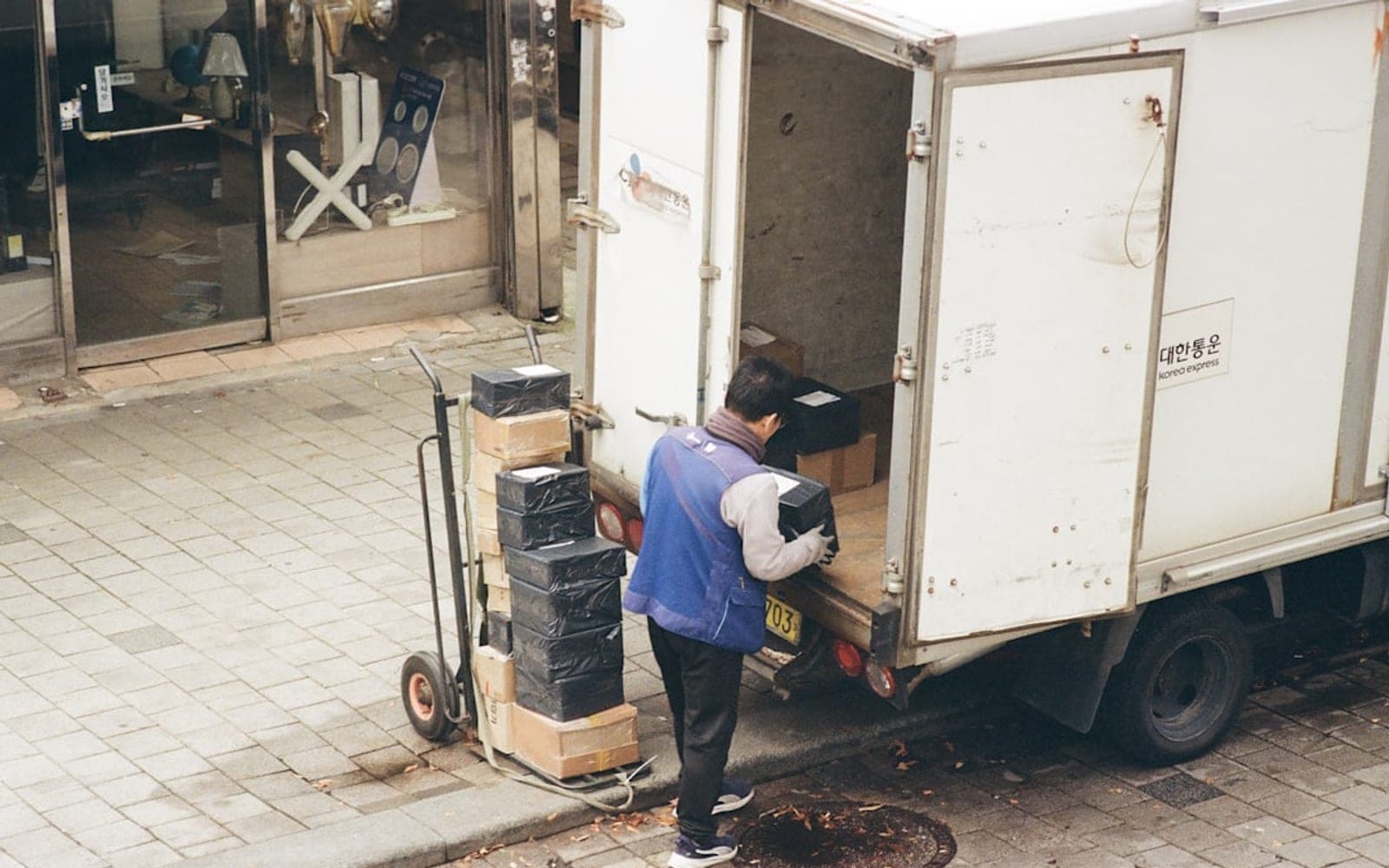
It was the Saturday of the August bank holiday at Harbourside. We were already on the back foot because the forecast had been wrong all week and the terrace was rammed by 9am. Our main produce supplier was due at 7. By 8 they hadn't shown. By 9 the phone was going to voicemail. When I finally got through, the woman on the other end sounded broken. The heat had taken out three of their refrigerated vans overnight and they were triaging customers. We were not in the triage.
So I drove. I drove to a wholesaler in Bedminster for leaves and tomatoes, then to a butcher in Totterdown who owed us a favour, then to a cash and carry near Brislington for the boring stuff like cling film and blue roll because in the panic I'd forgotten to check we had any. By the time I got back the kitchen had been winging it for two hours on whatever was left in the walk-in. We did about 60% of our usual covers that day and the brunch menu had three items crossed out in biro.
That morning taught me more about supplier management than the previous five years had. This is what I wish I'd had written down before it happened.
Why this matters
Most operators treat suppliers like utilities. You set them up once, the deliveries arrive, you pay the invoices, and you only think about them when something goes wrong. Then something goes wrong and you realise you don't have the warehouse manager's mobile number, only the sales rep's, and the sales rep is on holiday in Crete.
The other reason it matters is regulatory. Under the Food Safety Act 1990 and the FSA's traceability rules, you are responsible for what comes out of your kitchen, including the ingredients you didn't make. If your supplier swaps the rapeseed oil for a blend containing peanut and doesn't tell you, and someone with a nut allergy ends up in A&E, the EHO is going to want to see your due diligence file. "We trusted them" is not due diligence. A folder with their allergen declarations, signed and dated, is.
And the commercial reason. Suppliers go under more often than you'd think, especially in a high-inflation cycle. A friend in Bath lost his main bakery in 2023 with two days' notice. He had nothing lined up. He served toast from a Tesco loaf for a week and his regulars noticed.
The three failures that catch operators out
After 15 years I'd narrow supplier problems down to three patterns. Each one needs a different kind of contingency.
Late or missed delivery. This is the bank holiday scenario. The cause is usually mundane: a van broke down, the driver called in sick, a motorway shut. The fix is having a list of three backup suppliers you've actually bought from before, not just heard of. The first time you walk into a cash and carry shouldn't be the morning of a crisis. Open an account in advance, do one small order a quarter to keep it active, and write the opening hours on the same sheet as the contact details. Some wholesalers close at midday on a Saturday and that is the day you will need them.
Silent ingredient change. This is the dangerous one. The supplier reformulates a product, often because their supplier upstream changed, and they don't tell you because to them it's the same line code on their system. Suddenly your "gluten-free" brownie has barley malt in it because the cocoa powder was substituted. The only defence is requiring written allergen declarations at least annually, and getting an email confirmation any time a product spec changes. Most decent suppliers will do this if you ask. Most won't volunteer it.
Going under without warning. Signs to watch for: deliveries getting smaller and more apologetic, the rep stops returning calls, payment terms suddenly tighten, the website goes weird. By the time you see these you have maybe a fortnight. If a supplier represents more than 30% of your weekly spend in any category, you are too exposed. Spread it across two even if the second is more expensive on paper.
The boring file that rescues you
Every supplier needs a record. Not a vague mental note that Dave from the fish place is "sound". An actual file, on paper or in a folder somewhere, with the following:
- Contact details, plural. Sales rep mobile, office landline, warehouse direct, and at least one email that isn't info@. Note who picks up out of hours.
- Delivery windows and cut-off times for ordering. The fact that you have to order by 2pm Tuesday for Thursday delivery should not live only in the head chef's memory.
- Allergen declarations for every product line you buy, signed and dated within the last 12 months. The FSA expects you to have these for natasha's law compliance on PPDS foods, and they form part of your HACCP paperwork.
- Food safety attestations: their SALSA or BRC certificate if they have one, their local authority hygiene rating, their public liability insurance certificate.
- Payment terms, in writing. 30 days end of month is not the same as 30 days from invoice and the difference is real money.
- Minimum order values and any delivery charges below them.
I know how this sounds. Like homework. But the day a customer has a reaction and the EHO comes through the door asking how you verified your suppliers, this file is the difference between a productive conversation and a closure notice. At Welsh Back we kept ours in a battered lever-arch behind the till. Not glamorous. Worked.
The supplier you've never had a problem with is the one you know least about. That is fine until it isn't.
Running a proper supplier review
Most operators do supplier reviews in their head, in the car, on the way home from a bad shift. That is not a review. That is a grumble. A proper review happens four times a year, takes about an hour, and covers every supplier you've spent more than a couple of hundred quid with in the quarter.
Sit down with the invoices and ask four questions for each one:
- Price. Has it crept up? By how much? Have you got a quote from a competitor in the last six months? You don't have to switch, but knowing the market rate gives you room to negotiate at the next renewal.
- Quality. Pull up the kitchen's complaints log if you keep one. How many credits did you ask for? How many should you have asked for but didn't because it was easier to absorb it?
- Reliability. What percentage of deliveries arrived on time, in full, in the last 90 days? You'll have to estimate unless you've been logging it, but even rough numbers reveal patterns.
- Alternatives. If this supplier disappeared tomorrow, who would you call? Have you actually bought from them in the last year?
The fourth question is the one most people skip. It is also the most important. The first time you place an order with a new supplier you find out about all the friction: their ordering portal is awful, they won't deliver before 10, their minimum is £150. Better to find this out in a quarterly test order than at 8am on a Saturday in August.
When you actually have to switch
Switching suppliers mid-service is horrible. The product is different, the timings are different, the invoices don't match the spec, your team has to relearn everything. Do it gradually if you can. Run the new supplier in parallel on one category for a month, work the kinks out, then expand.
If you're switching in a hurry because the old one collapsed, accept that the first two weeks will be rough and protect your margins by simplifying the menu. Cross items off rather than try to recreate them with substitute ingredients you don't know yet. Customers will forgive a smaller menu. They will not forgive a brownie that tastes like sawdust because you swapped the chocolate and didn't test it.
And tell your team. The number of times I've seen kitchens find out about a supplier change because the box looked different and they assumed it was a mistake. A two-minute briefing at the start of service saves an afternoon of confusion.
Common mistakes
- Treating the cheapest quote as the best quote. A supplier 8% cheaper who misses one delivery a month is costing you more than the one you're with. Reliability has a price.
- Single-sourcing your highest-volume category. If 80% of your produce comes from one place, you don't have a supplier, you have a dependency. Split it, even if it's slightly more admin.
- Filing allergen declarations and then never looking at them again. They go stale. Products reformulate. Make annual refresh part of your January or July admin.
- Letting the head chef hold all the supplier knowledge in their head. When they leave, and they will, the knowledge walks out with them. Write it down.
- Not opening backup accounts until you need them. Cash and carries and wholesalers want trade references and ID. Doing that paperwork at 7am in a panic is not fun.
- Avoiding the awkward conversation about quality. Suppliers don't know there's a problem unless you tell them, with photos and invoice numbers. Vague grumbling at the driver does nothing.